Codici QR: la comodità che può trasformarsi in una trappola digitale
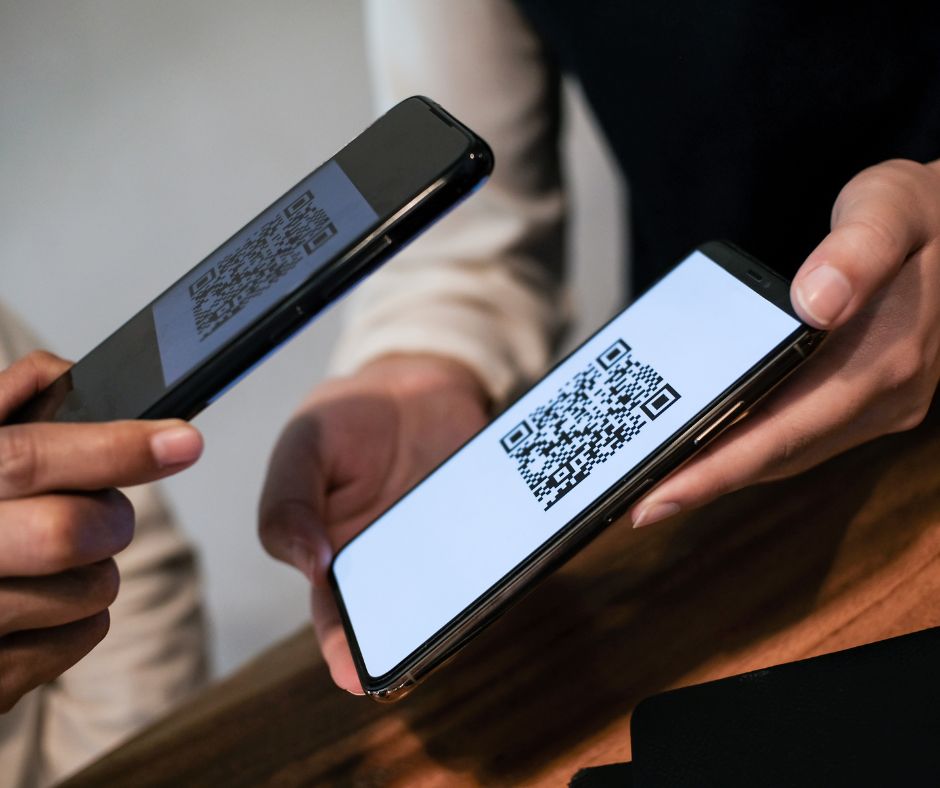
I codici QR sono ormai ovunque: nei ristoranti per il menu del giorno, negli hotel per connettersi rapidamente al Wi-Fi, sulle confezioni dei prodotti o nei volantini pubblicitari. Ma dietro a questa praticità può nascondersi un rischio reale se non si presta la dovuta attenzione.
L’ascesa dei QR: da tool utile a bersaglio per truffatori
Nati nel 1994 per uso industriale, i codici QR sono entrati a far parte della vita quotidiana soprattutto dopo la pandemia di Covid-19, quando sono stati adottati massicciamente per minimizzare il contatto fisico. Oggi sono presenti praticamente ovunque, ma proprio questa diffusione li rende un terreno fertile per chi cerca di sfruttarli a fini malevoli.
Che cos’è il quishing
Il termine quishing unisce “QR” e “phishing”: è una forma di truffa in cui i codici QR vengono usati per ingannare le persone e portarle su siti fraudolenti o far scaricare software dannosi. In pratica, anziché cliccare su un link sospetto, l’utente viene indotto a scansionare un’immagine che sembra innocua ma che invece reindirizza a pagine fasulle o installa malware.
Secondo alcuni avvisi di sicurezza, gruppi di hacker (in alcuni casi anche collegati ad attività statali) hanno utilizzato codici QR inseriti in email di lavoro o in luoghi pubblici per cercare di ottenere credenziali o dati sensibili.
In altri casi, truffatori hanno sostituito codici legittimi (ad esempio su parcometri o su materiali pubblicitari) con versioni taroccate che portano a pagine di pagamento false: gli utenti credono di pagare una tariffa o scaricare un documento, ma i loro dati vengono carpiti dai criminali.
Come proteggersi
Non esiste un metodo infallibile, ma alcuni accorgimenti possono ridurre notevolmente i rischi:
-
Usa il buon senso: evita di scansionare QR trovati casualmente su fogli appesi in luoghi pubblici o ricevuti da contatti sconosciuti per motivi poco chiari.
-
Controlla sempre l’anteprima del link: molti smartphone mostrano l’URL prima di aprirlo: verifica che corrisponda a un sito affidabile.
-
Diffida di richieste di dati o download: se la pagina raggiunta richiede credenziali, pagamenti o scarica programmi, fermati e non proseguire.
-
Aggiorna il dispositivo e usa protezioni: antivirus e servizi di sicurezza possono aiutare, anche se non sempre intercettano gli attacchi basati sui QR.
In sostanza, i codici QR restano uno strumento utile quando usati con consapevolezza, ma non vanno mai trattati come automaticamente sicuri: la loro stessa natura “nascosta” li rende ideali per chi vuole trarre vantaggio dall’ingenuità o dalla curiosità degli utenti.