Come proteggersi dagli hacker
Spingendo più consumatori ad attività online, la pandemia ha creato nuove opportunità per i criminali informatici. Un sondaggio Sulle vacanze di Experian del 2020 su 1.000 consumatori ha rilevato che il 24% aveva subito frodi o furti di identità durante le vacanze, il doppio della percentuale rilevata da un sondaggio simile nel 2019.
Utilizzando le informazioni personali, gli hacker possono richiedere conti di carte di credito, benefici governativi e prestiti a tuo nome. Il furto di identità può danneggiare il tuo credito e creare danni che richiedono anni per essere sistemati. Ecco cosa possono fare gli hacker con le tue informazioni personali e come tenerle al sicuro.
Cosa fanno gli hacker con le informazioni rubate
Gli hacker sono noti per commettere una varietà di crimini utilizzando informazioni rubate. Questi crimini includono:
- Utilizzo dei dati della carta di credito o di debito per acquisti fraudolenti
- Richiedere carte di credito o prestiti a tuo nome
- Accesso ai tuoi conti bancari, conti pensionistici e altri conti finanziari
- Presentazione di dichiarazioni dei redditi fraudolente per ottenere un rimborso dell'imposta sul reddito a tuo nome
- Utilizzare la tua assicurazione sanitaria per accedere alle cure mediche
- Modifica dell'indirizzo di fatturazione in modo da non notare la frode fino a quando non è troppo tardi
- Presentazione di sussidi governativi, come la disoccupazione, a tuo nome
- Affittare un appartamento o candidarsi per un lavoro a tuo nome
- Commettere crimini e dare il tuo nome alla polizia quando vengono arrestati
- Richiesta di identificazione fraudolenta come patenti di guida o passaporti
- Vendere le tue informazioni ad altri criminali sul dark web
Gli hacker possono anche utilizzare il tuo numero di previdenza sociale (SSN) per creare un ID sintetico, una falsa identità che unisce i tuoi dati con i loro.
Come proteggersi dagli hacker
Per salvaguardare i tuoi dati personali dagli hacker, rendi questi passaggi preventivi parte della tua routine.
Usa password complesse e univoche. Scegli una password diversa per ogni account. Se usi la stessa password più e più volte, un hacker che viola un account potrebbe accedervi tutti. Prendi in considerazione la possibilità di utililizzare un'APP di gestione delle password, che genera password complesse e le ricorda per te.
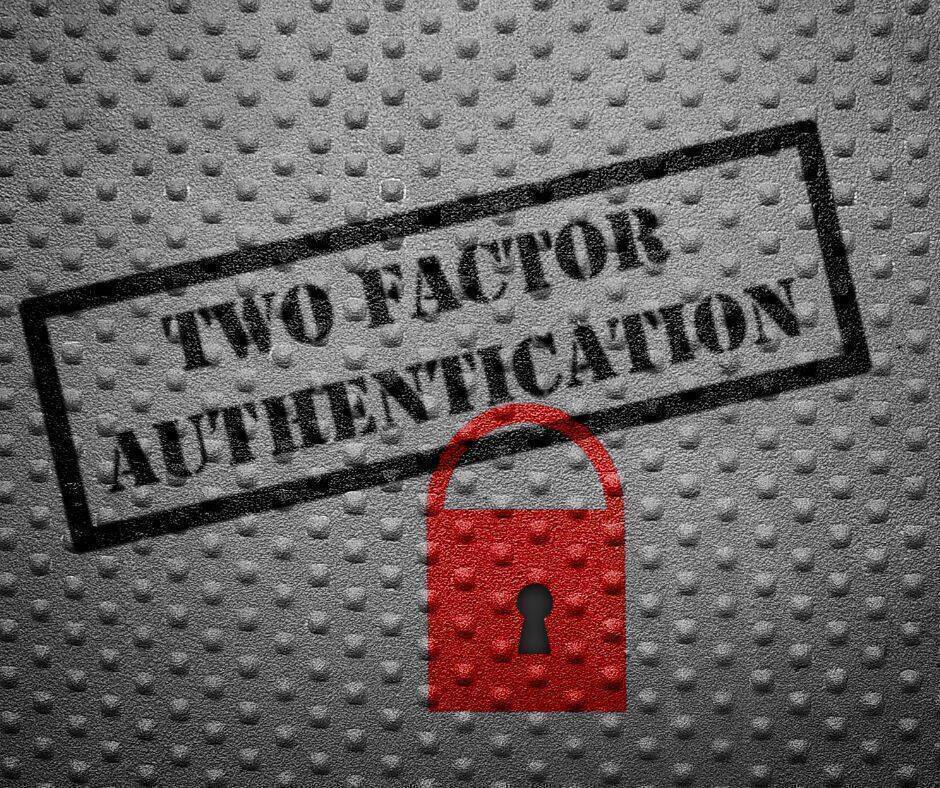
Utilizzare l'autenticazione a due fattori. Proteggi i dati critici come i tuoi conti bancari, i conti pensionistici o i dati sanitari con l'autenticazione a due fattori. Dopo aver inserito la password, riceverai un codice da inserire ogni volta che accedi sul telefonino o sulla mail di riferimento.
Distruggi vecchi documenti e dati. Distruggi i documenti contenenti informazioni personali prima di smaltirli. Cancella i dati personali prima di vendere, scartare o donare computer o dispositivi mobili.
Proteggi il tuo hardware. Installa il software antivirus su computer e dispositivi mobili e tienilo aggiornato. Abilitare gli aggiornamenti automatici del sistema operativo per computer e dispositivi mobili.
Monitora gli estratti conto. Esamina tutte le fatture, le dichiarazioni, le lettere e altre comunicazioni da banche, società di carte di credito, compagnie assicurative, agenzie governative e fornitori di assistenza sanitaria. Un prelievo, un addebito o un servizio che non riconosci potrebbe essere il primo segno di furto di identità.
Proteggi le tue carte. Porta solo le carte di pagamento e di identificazione di cui hai bisogno. Proteggi la tastiera da occhi indiscreti quando digiti il PIN in un bancomat o in un dispositivo POS.
Non lasciare che la posta cartacea rimanga nella tua casella di posta. Installa una cassetta per posta per assicurarti che la posta venga consegnata in modo sicuro.
Proteggi il tuo SSN. Tieni la tua carta di previdenza sociale a casa e affida il tuo numero alla memoria.
Non inserire password, condividere dati sensibili o eseguire transazioni finanziarie quando si utilizza il Wi-Fi pubblico; può essere facilmente violato. Mantieni la tua rete Wi-Fi domestica protetta da password.
Diffidare di e-mail o testi provenienti da fonti sconosciute. Non fare mai clic su un collegamento in un testo o in un'e-mail a meno che non ti fidi della fonte. Le e-mail utilizzate nelle truffe di phishing spesso contengono indizi come errori di ortografia, grafica a bassa risoluzione e indirizzi e-mail che potrebbero differire dall'indirizzo effettivo del presunto mittente.
Non condividere informazioni per telefono. I criminali "falsificano" i numeri di telefono per apparire come se un'organizzazione legittima stesse chiamando. Diffida di chiunque ti chieda di condividere o verificare numeri di conto, Codice Fiscale, numero di patente di guida, numero di carta di credito o altre informazioni personali al telefono. Se sei in dubbio che sia davvero la tua banca a chiamare, riaggancia e chiama invece il numero sul sito web della banca.
Limita la condivisione sui social media. I giochi sui social media e i sondaggi che chiedono il nome del tuo animale domestico, il luogo di nascita o la band preferita possono sembrare innocenti, ma questi indizi possono aiutare i criminali a decifrare le tue password.