
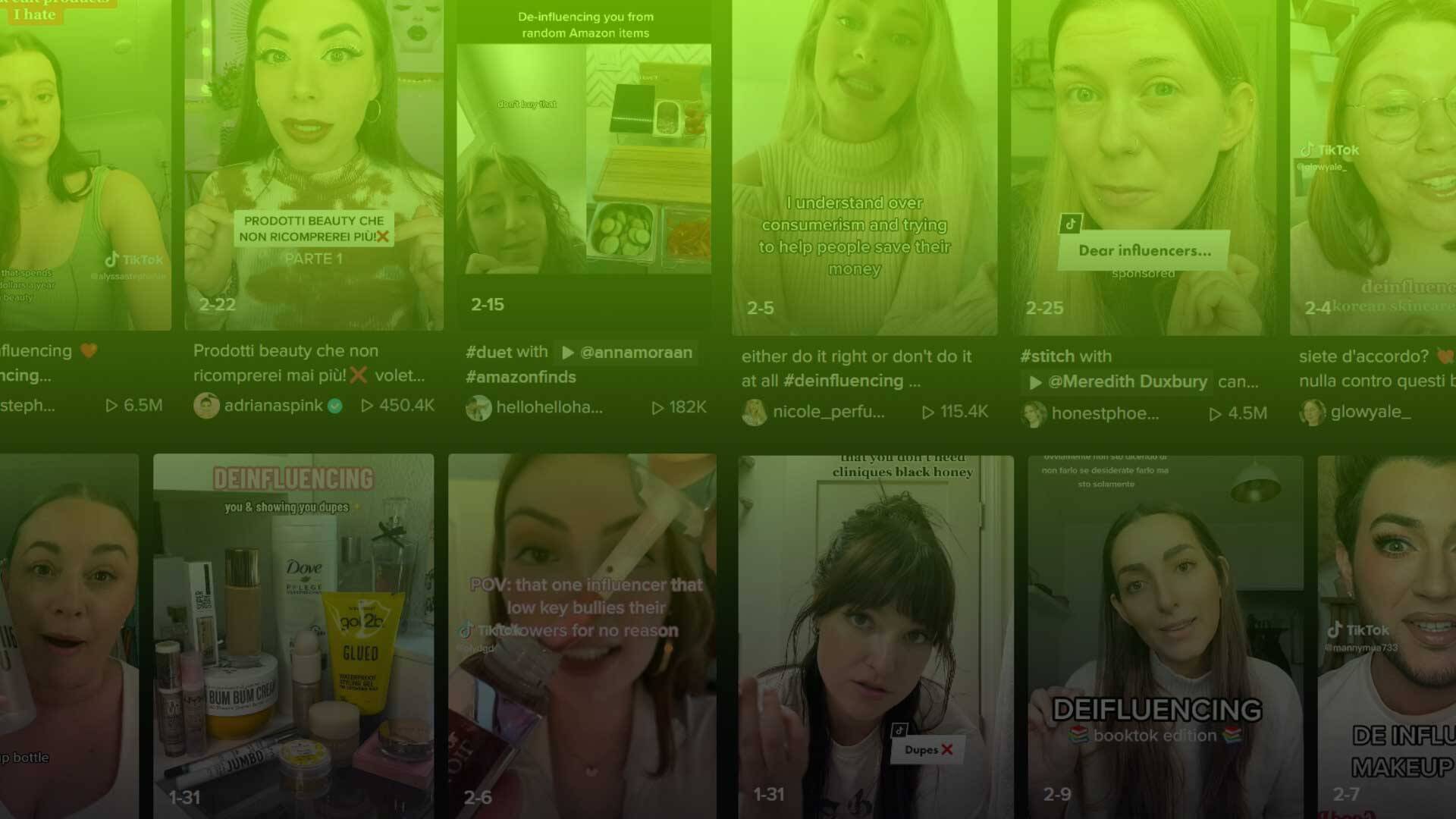
The Power of De-Influencers: The Backlash to the "Influencer" Phenomenon
In the age of social media, the phenomenon of "influencers" has gained immense popularity and influence among consumers around the world. However, in recent years, a new movement called "deinfluencer" has emerged, aiming to counter and criticize the distorted image and exaggerated influence of "influencers." In this article, we explore the concept of "deinfluencers" and the role they play in the digital sphere.
Who are Deinfluencers?
Deinfluencers are individuals or groups committed to exposing the manipulative tactics of influencers and promoting greater critical awareness among consumers. They often focus on exposing the false promises, unrealistic standards, and unethical behavior of influencers, seeking to uncover the truth behind the spotlight and educate the public about shady practices in the world of digital influence.
Deinfluencer Goals:
Deinfluencers pursue several goals in their movement. One of the main objectives is to expose the often superficial and manipulative nature of influencer marketing campaigns. This can include displaying undeclared advertising, false or exaggerated reviews of products and services, and using retouched or filtered photos to create a distorted image of themselves and their lives.
Furthermore, Deinfluencers aim to promote greater critical awareness among the public, encouraging consumers to more objectively evaluate the information provided by "influencers." They invite people to reflect on their own consumer choices, to consider the underlying motivations behind "influencers'" recommendations, and to make informed decisions based on their own desires and needs, rather than being guided by trends dictated by social media.
Deinfluencer Methods and Tools:
Deinfluencers use a variety of tools to spread their message and reach their audience. These can include blogs, YouTube channels, podcasts, and social media profiles. They often share detailed behind-the-scenes information about influencer campaigns, highlighting questionable practices and encouraging audiences to ask questions and be more critical of the content they consume.
Some De-influencers also choose to create alternative content that highlights authentic, realistic, and positive aspects of everyday life, thus counteracting the idealized image often promoted by "influencers." This content can promote self-care, body acceptance, authenticity, and diversity.
Impact and criticisms:
Deinfluencers have had a significant impact in challenging the power of influencers and promoting greater critical awareness among consumers. However, the deinfluencer movement is not immune to criticism. Some argue that they can be overly critical or negative, overlooking the positive aspects of influencers. Furthermore, some believe that deinfluencers can become a kind of influencer themselves, seeking to build a following based on their criticism of the influencer industry.
Conclusions:
The Deinfluencer movement emerged as a critical response to the "influencer" phenomenon and raised awareness of manipulative tactics in digital marketing. By monitoring and educating the public, Deinfluencers seek to counteract the idealized image of "influencers" and promote a more realistic and authentic vision of digital life. However, it's important to remember that the key to informed participation on social media lies in consumers' ability to critically evaluate the information they receive and make informed decisions based on their own desires and needs.