Come ottimizzare l'indicizzazione mobile-first
L'ottimizzazione per i motori di ricerca (SEO) è destinata a cambiare in modo rilevante nei prossimi giorni. L'aggiornamento dell'indicizzazione per dispositivi mobili di Google, pianificato per marzo 2021, rimuoverà tutti i siti "solo desktop" - e le immagini o le risorse esclusive in un sito solo desktop - dall'indice di Google.
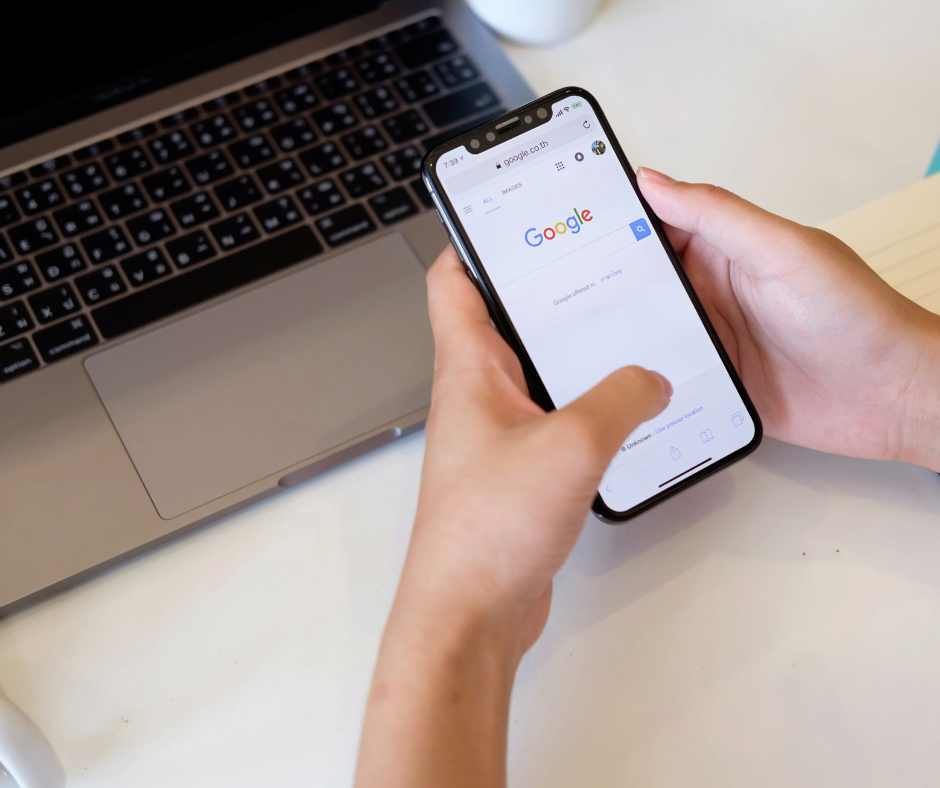
Grazie alla presenza massiccia di smartphone e tablet, Google utilizzerà solo la versione mobile dei contenuti per l'indicizzazione e il posizionamento. Ma prima di esaminare alcune delle best practice per l'indicizzazione mobile-first, chiariamo ogni possibile confusione sull'aggiornamento e sul suo significato.
L'indicizzazione mobile-first è attualmente l'impostazione predefinita e lo è stata già da un po'. Qualsiasi sito web nuovo su Internet o su Ricerca Google a partire dal 1° luglio 2019 utilizza principalmente la versione mobile del sito web per l'indicizzazione.
Gli indici mobile-first e desktop sono gli stessi. Non c'è un nuovo processo di indicizzazione: l'aggiornamento significa che Google utilizzerà la versione mobile di un sito web per l'indicizzazione e il posizionamento piuttosto che la versione desktop.
Non esiste una "scelta" in merito, Google ha deciso così. L'obiettivo di Google è spostare tutti i siti sull'indicizzazione mobile first e spetta ai proprietari dei siti web prepararsi e conformarsi.
Quali sono quindi le best practice per l'indicizzazione mobile-first?
Ora che abbiamo una migliore comprensione dell'indicizzazione mobile-first e di ciò che comporta, affrontiamo alcune delle best practice che ora si possono implementare per garantire una navigazione senza intoppi da marzo 2021.
1. Implementare il responsive web design
Se non lo è stato già fatto, è il momento di unirsi al 70% dei siti web ottimizzati per i dispositivi mobili. Quindi con il responsive web design. Un sito Web reattivo garantisce che gli utenti vedano sempre una versione ottimizzata del sito, indipendentemente dal dispositivo o dalle dimensioni dello schermo.
Un sito web responsive è vantaggioso per la sua flessibilità: il web design responsive significa che i proprietari di siti web non devono creare più versioni dei loro siti web per adattarsi a dispositivi diversi.
Se già si possiede un responsive web design, l'indicizzazione mobile first non dovrebbe avere un effetto significativo sulle prestazioni del sito nelle pagine dei risultati dei motori di ricerca (SERP). Se invece si è nella fase di elaborazione del responsive design del tuo sito web, questi strumenti di web design possono aiutare. In effetti, Google ha affermato che i siti Web reattivi che utilizzano correttamente la pubblicazione dinamica non devono apportare alcuna modifica.
2. Googlebot può accedere al tuo sito web per dispositivi mobili?
Googlebot è il software crawler web di Google e deve essere in grado di accedere e visualizzare i contenuti. E' necessario consentire a Googlebot di esaminare le risorse del sito e assicurarsi che la versione per dispositivi mobili non abbia URL diversi dal sito in verione desktop. Inoltre è importante controllare che non siano presenti disallow che potrebbero bloccare l'URL.
Affinchè il sito sia presente nei primi posti dei risultati, occorre utilizzare meta robot tag identici sui siti mobili e desktop. Diversi tag meta robot potrebbero impedire a Google di scansionare e indicizzare la pagina quando il tuo sito web è abilitato per l'indicizzazione mobile first.
Infine, assicurarsi di utilizzare il "caricamento lento" detto anche lazy-loading per i contenuti principali. Il caricamento lento è una tecnica di ottimizzazione che differisce il caricamento di contenuti che non sono né visibili né critici. Tieni presente che Googlebot rifiuterà di caricare contenuti che richiedono il caricamento di qualsiasi interazione dell'utente, come la digitazione o il clic.
3. Analizzare i dati strutturati
Se si è scelto di strutturare i dati con markup, occorre assicurarsi che siano presenti sia nella versione mobile che desktop e che entrambi siano uguali.
È inoltre necessario essere sicuri che gli URL nelle versioni mobili dei dati strutturati vengano aggiornati agli URL mobili.
4. Ricontrollare i posizionamenti degli annunci
Gli annunci possono influire sul posizionamento della pagina per dispositivi mobili se non si fà attenzione a dove vengono posizionati. Quando si visualizzano gli annunci su un dispositivo mobile, è necessario fare riferimento al Better Ads Standard e fare in modo che ne soddisfino i criteri.
5. Prestare attenzione al contenuto visivo
Qualsiasi immagine o video sulla versione mobile del sito ha il proprio elenco di best practice da seguire. Quando si tratta di immagini, è necessario fornire all'utente immagini di alta qualità in un formato supportato. Assicurarsi di includere solo immagini con una risoluzione sufficientemente alta e che non appaiano troppo piccole se visualizzate su uno schermo più piccolo.
Per immagini e video, bisogna prestare attenzione a non utilizzare URL che cambiano quando una pagina è in fase di caricamento perché, se gli URL continuano a variare, Google non sarà in grado di elaborare e indicizzare correttamente le immagini.
Per quanto riguarda il contenuto video, deve essere facilmente visualizzato su un dispositivo mobile e deve essere inserito in un formato supportato e con tag pertinenti. E' consigliabile non posizionare un video troppo in fondo alla pagina, costringendo gli utenti a scorrere all'infinito. La best practice per i dati strutturati si applica anche qui: mantenere questi dati identici sulle versioni mobile e desktop.
Conclusione
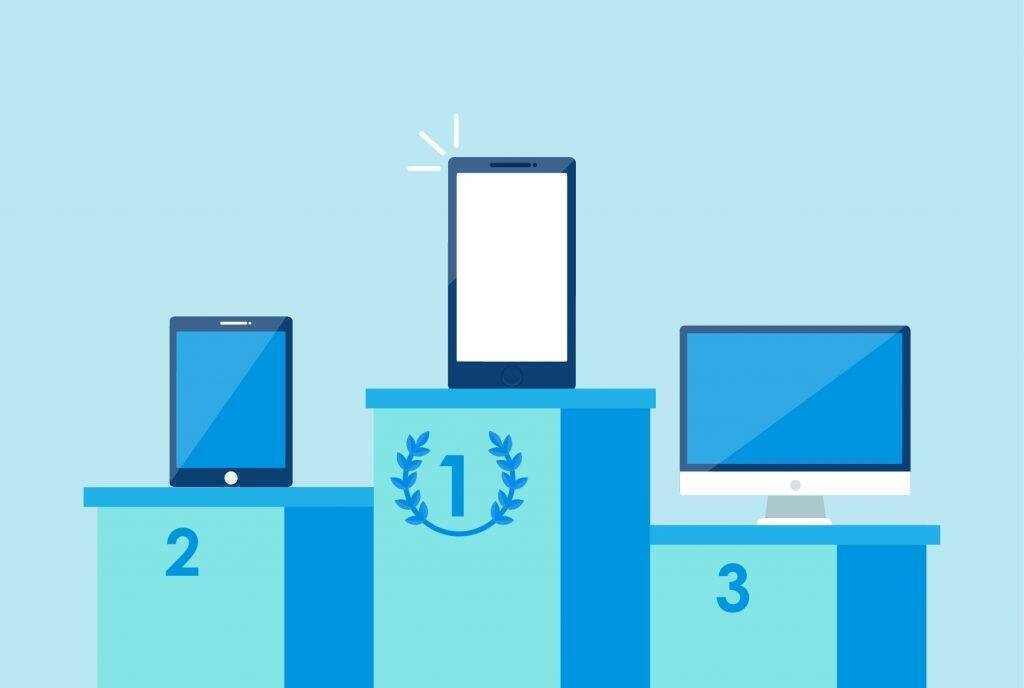
Le cose stanno cambiando rapidamente ed attualmente, la maggior parte delle persone online preferisce accedere a Internet sui propri dispositivi mobili piuttosto che su un computer. Ciò è dovuto alla facilità e alla comodità che i dispositivi mobili offrono. La decisione di Google di passare all'indicizzazione mobile-first è un modo rapido per rispondere a questa esigenza dimostrando anche quanto ci affidiamo ai dispositivi mobili.