

WordPress rappresenta il 90% dei siti CMS compromessi
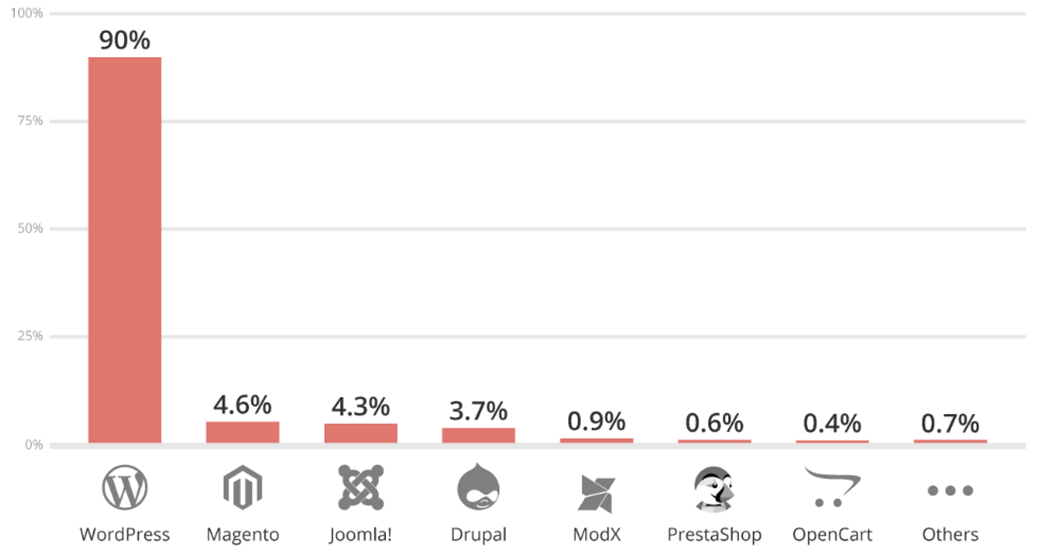
Circa il 90% di tutti i sistemi di Content Management System (CMS) che Sucuri ha studiato e aiutato a risolvere nel 2018 erano siti WordPress.
Al secondo secondo, terzo e quarto posto con grande distacco, Magento (4,6 per cento), Joomla (4,3 per cento) e Drupal (3,7 per cento); questo il rapporto pubblicato dalla società.
Gli esperti di Sucuri hanno individuato la maggior parte degli hack erano relativi alle vulnerabilità di plugin e template, a problemi di errata configurazione e a mancanza di manutenzione da parte dei webmaster, che spesso dimenticavano di aggiornare CMS, temi e plug-in.
Gli esperti hanno affermato che solo il 56% dei siti esaminati utilizzava un CMS aggiornato nel momento in cui è stato chiamato per rimediare a un attacco.
I SITI DI E-COMMERCE SPESSO NON SONO AGGIORNATI
Ma mentre il 90 percento di tutti i siti compromessi erano sviluppati con piattaforma WordPress, la maggior parte di questi avevano in esecuzione versioni aggiornate. Sucuri ha affermato che solo il 36% dei siti di WordPress compromessi su cui la società ha investigato eseguiva una versione obsoleta. Quindi Sucuri lascia intendere che le “debolezze” di Wordpress, non derivano esclusivamente da un problema di aggiornamento.
D'altra parte, i CMS come PrestaShop, OpenCart, Joomla e Magento,al momento della scoperta dell’hacking, erano quasi sempre in esecuzione su una versione obsoleta.
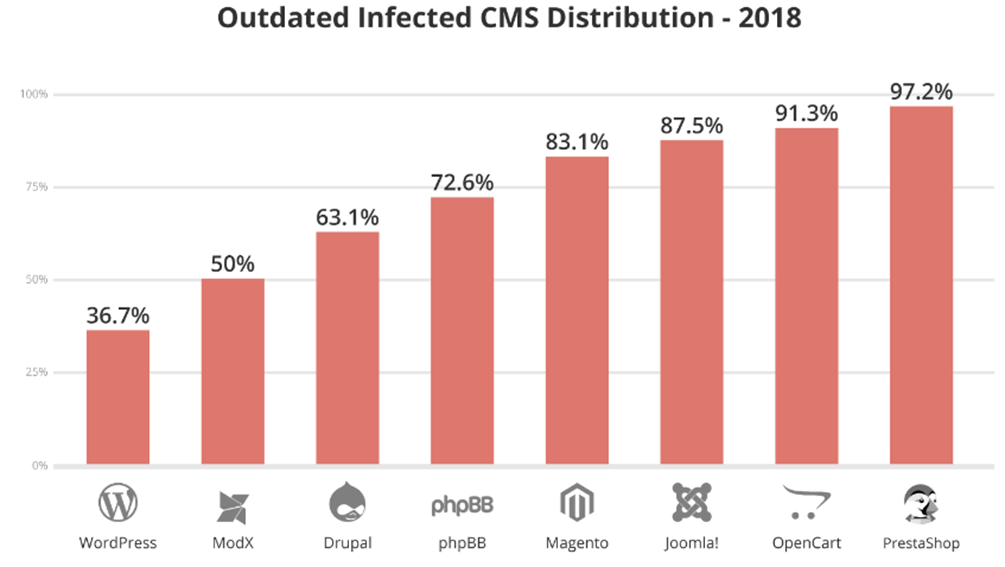
"Questa tendenza ad aggiornare meno le versioni obsolete, spinge a pensare che i siti di e-commerce tendono ad essere aggiornati con meno frequenza per evitare di creare problemi di funzionalità e quindi non incassare denaro", ha detto Sucuri.
"Gli aggressori hanno un grande interesse a compromettere i siti di e-commerce poiché contengono i preziosi dati dei clienti (ad esempio, carte di credito e informazioni sugli utenti). È fondamentale che i proprietari dei siti Web aggiornino i loro software per garantire che i loro siti abbiano gli ultimi aggiornamenti di sicurezza e patch di vulnerabilità".
Tuttavia, nonostante alcuni siti abbiano versioni CMS obsolete, "la principale causa di infezioni derivava dalle vulnerabilità dei componenti", ha affermato Sucuri.
LO SPAM SEO È IN AUMENTO
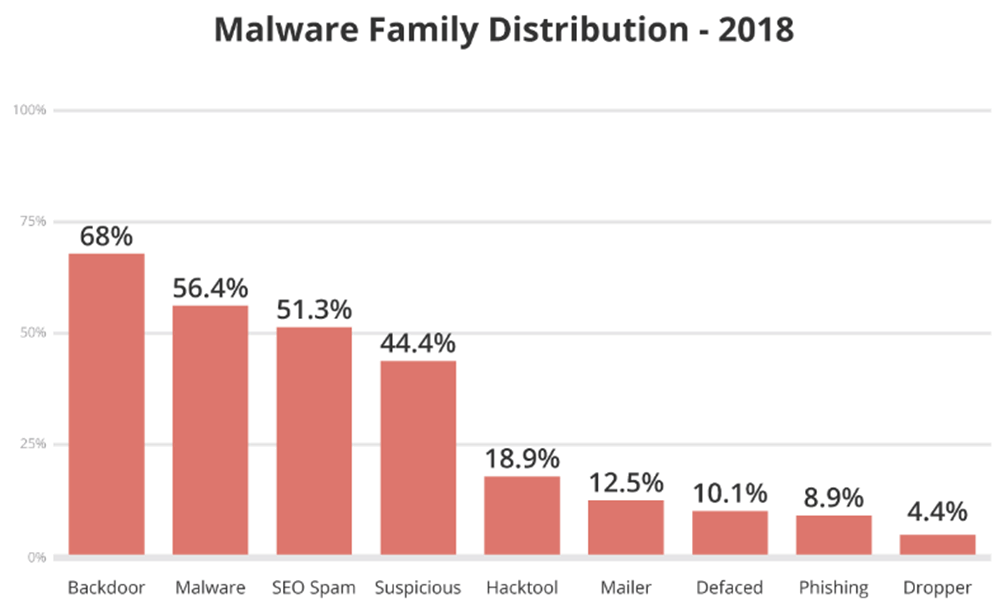
Sucuri conferma che sul 68% di tutti i siti compromessi su cui ha investigato era presente almeno una backdoor.
Il team di Sucuri afferma che gli hacker hanno utilizzato circa il 56% dei siti compromessi per ospitare malware vario (per altre operazioni) e hanno inserito pagine di spam SEO sul 51% dei siti compromessi, un numero che è aumentato nell'ultimo anno, dal 44% nel 2017 .
Il SEO spam è una delle famiglie in più rapida crescita negli anni precedenti", ha detto Sucuri."Sono difficili da individuare e hanno un rilevante impatto economico sull'impression marketing.
Il più delle volte, come risultato degli attacchi di Search Engine Poisoning (SEP), gli autori tentano di trarre beneficio delle classifiche e ranking dei siti per monetizzare con il marketing di affiliazione o altre tattiche blackhat; lo spam SEO viene ottenuto in genere tramite attacchi sul codice PHP, iniezioni di database (SQL Injection) o reindirizzamenti .htaccess.
"I siti web interessati dagli attacchi SEO sono spesso infettati da contenuti spam o reindirizzano i visitatori a pagine specifiche di spam. Il contenuto indesiderato appare sotto forma di annunci pubblicitari farmaceutici, ma può includere anche contenuti iniettati relativi ad altri settori come la moda, telefonia o l'intrattenimento (ad es. materiale, saggistica, marchi di moda, prestiti e gioco d'azzardo online). "
fonte: zdnet.com